.webp?width=1442&height=567&name=Pointe%20at%20Lifespring%20(1).webp)

Retirement provides ample time for seniors to sharpen cognitive health. Engaging in creative arts like music and painting encourages recall, strengthening memory and helping prevent mental decline. Community workshops promote vital social connections and skill retention.
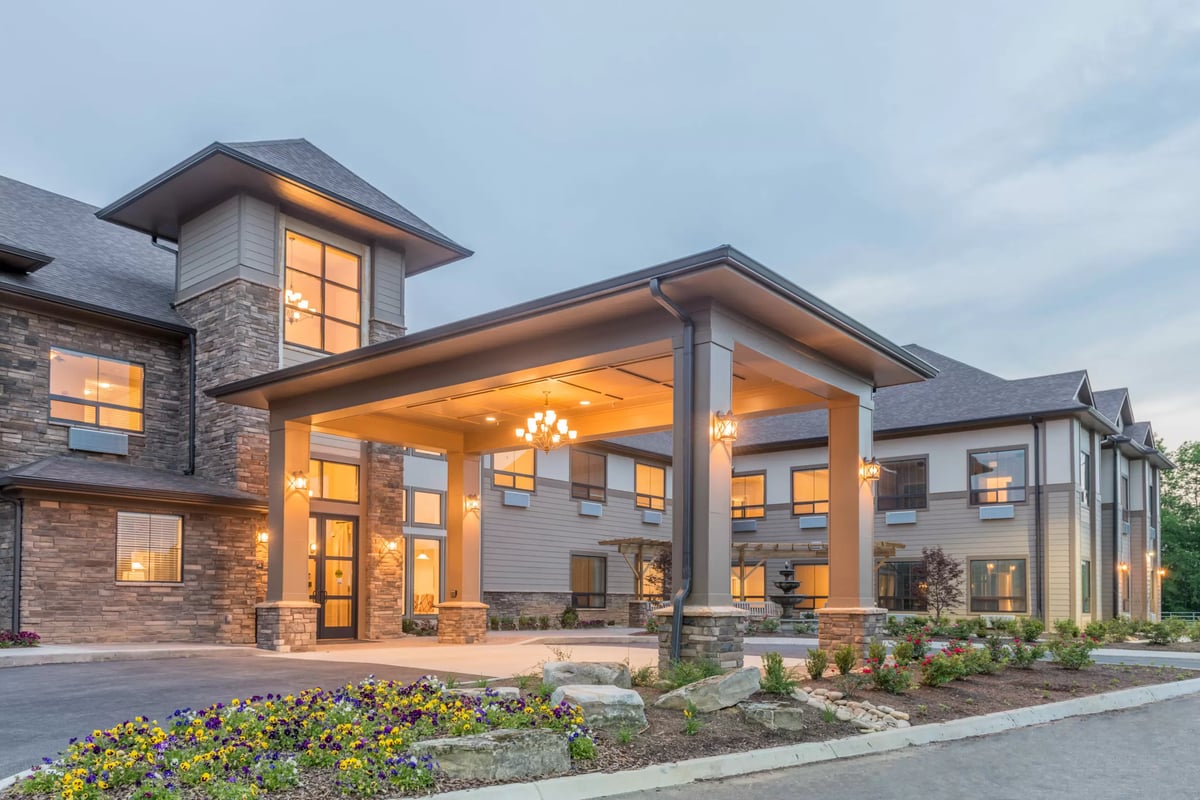
In a community like The Pointe at Lifespring, seniors have unprecedented amounts of free time. Unprecedented leisure time sounds great on paper, but seniors in Knoxville, Tennessee, are often left wondering how to fill up the hours. Many will turn to creative hobbies, which are a great way to keep memory and focus active and functional through daily mental exercise.
Developing creative skills like making art or music takes time, but in retirement, seniors have plenty of time to practice and reinforce their memory through repetition and gradual improvement.
Brain Health Through Expression for Knoxville Senior Engagement
According to Medicine Plus, as we grow older, changes in the brain and nervous system negatively impact memory. The rate and severity of these changes can vary significantly from person to person. Almost everyone will experience some decline in their ability to recall information.
In old age, some seniors may notice only occasional forgetfulness and difficulty learning new information, while others may experience a much slower, degraded ability to recall, significantly impacting daily living. Adopting certain mental habits, such as engaging in creative activities, can play a key role in maintaining long-term cognitive health.
Here are just a few reasons why remembering gets harder with age:
- The brain takes longer to retrieve information, making recall feel sluggish and delayed.
- Reduced working memory capacity makes it harder for older brains to hold multiple pieces of information at once.
- Senior brains tend to have weaker short-term memory formation, meaning new names or instructions are easily forgotten immediately after learning them.
- Seniors often experience a decline in their attention span, making it much harder for them to engage with activities in the long term.
Visual Art as Creative Enrichment
Many seniors turn to visual art in retirement, despite having never picked up a paintbrush or sketchpad in their adult life. Some visual art encourages good memory because it requires recalling details and techniques. It's particularly effective at reinforcing visual memory.
Many seniors choose a visual art form as a retirement hobby because it's so accessible. To get started with drawing, all you need is a pencil and some paper. As you develop your skills, you can invest in pricier materials like watercolor paints or even oil paints.
Visual art offers various types to suit every personality. Those who prefer a more human-centered approach could work on creating portraits of friends and family. Creating a portrait is a great way to spark memories of good times shared with the subject you're painting.
Music for Cognitive Support in Aging
If visual art isn't your thing, it's not a problem in retirement. Many seniors turn to music to stimulate their memory. Whether you're playing a musical instrument or simply listening to nostalgic tunes, catchy rhythms and soulful melodies are linked to memory, according to the National Institute on Aging.
Seniors with cognitive impairments and degraded memory can often unlock forgotten events from the depths of their brains by playing music from the past. Whether you're playing the music yourself on an instrument or simply listening on the radio, there's nothing quite like music to bring you back to a specific time and location.
Music lovers who want to take music more seriously by learning an instrument in retirement can stimulate their memories further. Learning to play an instrument like the guitar or keyboard involves procedural and muscle memory, and mastering scales or chord progressions can help train working memory and mental flexibility.
Of course, no one who picks up the guitar past 60 is likely to become the next Jimi Hendrix, but even a simple blues jam using basic chords and scales can inspire hours of creative fun and collaboration.
Frequently Asked Questions
Why Do Memory-Friendly Activities Matter as the Brain Ages?
One reason is that as the brain ages, neural pathways become less efficient. Signals passing between brain regions slow down, making it harder to recall things and causing recollections to be less accurate. There's also reduced hippocampal function because the hippocampus shrinks with age.
According to the National Institute of Neurological Disorders and Stroke, the hippocampus is crucial for forming memories. Additionally, there is less neuroplasticity in the brain, which affects its ability to form new connections. By engaging in memory-friendly activity, the brain's neuroplasticity is better preserved.
How Does Creative Enrichment Support Knoxville Senior Engagement in Community Life?
Senior Living Communities encourage seniors to learn memory-enhancing creative skills, diversity, and beginner-friendly workshops for all kinds of creative activities. At these community events, beginners can learn the fundamentals of a new art form through guided practice. Remembering the skills learned in the workshop and applying them to future artistic endeavors can help stimulate memory and information retention.
Every senior workshop takes a different approach, but they all encourage participation and inclusivity in the following ways:
- They're accessible because they occur inside the community, just a few minutes from residents' accommodations.
- They're beginner-friendly because they're designed for people who lack prior experience.
- They offer clear learning goals and opportunities to repeat and practice skills, enabling forgetful seniors to progress.
- They encourage participation through peer motivation and social interaction.
Discover The Pointe at Lifespring
Supporting your memory does not mean grinding through "brain exercises"; it can be as simple as starting a new chapter where you learn fresh skills, socialize with new people, and form new friendships. Residents at communities like The Pointe at Lifespring probably will not become the next Picasso or Eric Clapton, but retirement is the perfect time to explore a new part of yourself through creative pursuits that keep the mind active and the days meaningful.
Here at The Pointe at Lifespring, our residents can enjoy fantastic amenities, such as our warm and comfortable dining room staffed by an experienced culinary team. Residents will experience nutritious cooking, home-style meals with exciting seasonal dishes that are customized to their personal taste. We'd love to show you our dining room and more during a personal tour.
Contact us today, and let's set a date for you to explore our community.