.webp?width=1442&height=567&name=Pointe%20at%20Lifespring%20(1).webp)

Structured daily rhythms help seniors with dementia feel calmer, safer, and more connected. At The Pointe at Lifespring, predictable routines support memory, encourage confidence, and make each day easier to navigate. This stability helps reduce anxiety and brings purpose to daily life.
Memory care with purpose matters because it allows residents to hold onto what feels familiar. When meals, activities, and social moments follow a recognizable flow, seniors can relax and engage more fully. This guide explores how routines support Alzheimer's care and stability and how Knoxville senior support fits naturally into this approach.
Families looking for compassionate guidance often want reassurance. They want to know what routines look like, how they help, and what to expect at The Pointe in Knoxville, TN. Here is a clear look at the structured approach used in this community.
Why Are Routines Important for People With Alzheimer's?
Routines create predictability, which is essential for seniors experiencing memory loss. A familiar daily pattern reduces confusion and supports emotional stability. This gentle repetition helps residents move through each part of the day with greater ease.
At The Pointe at Lifespring, routine is woven into every aspect of care. Set mealtimes, steady activity blocks, and consistent caregivers help residents feel safe.
These patterns help lower stress and provide a sense of control. This supports Alzheimer's care and stability in a natural, comforting way.
The community's SHINE Memory Care program uses structured routines for dementia that reflect each resident's strengths. By repeating activities that feel familiar, seniors can maintain identity and build confidence even as memory changes.
The Role of Familiar Cues
Familiar settings, predictable transitions, and encouraging reminders help anchor each day. These small cues make big differences for someone with cognitive decline.
Reduced Anxiety Through Flow
Calm spacing between activities keeps the day steady. This helps prevent overstimulation and supports emotional balance.
How Does Structured Daily Activity Benefit Seniors With Dementia?
Structured daily activity gives seniors a sense of purpose. It helps them stay active and remain connected to their environment. It also strengthens cognitive engagement by offering meaningful tasks.
The Pointe at Lifespring builds its daily schedule around simple, familiar patterns. This makes participation easier and more enjoyable.
Here are examples of activity anchors used in the community:
- Morning meal together
- Light movement session
- Cognitive games
- Creative engagement
- Social afternoon activity
- Calm evening routine
Each element is placed intentionally to support memory and comfort. The flow stays consistent, so seniors know what is coming next.
What Is the Best Environment for Someone With Memory Loss?
The ideal environment is calm, structured, and reassuring. It offers gentle stimulation without overwhelming the senses. It also provides a daily purpose while protecting independence.
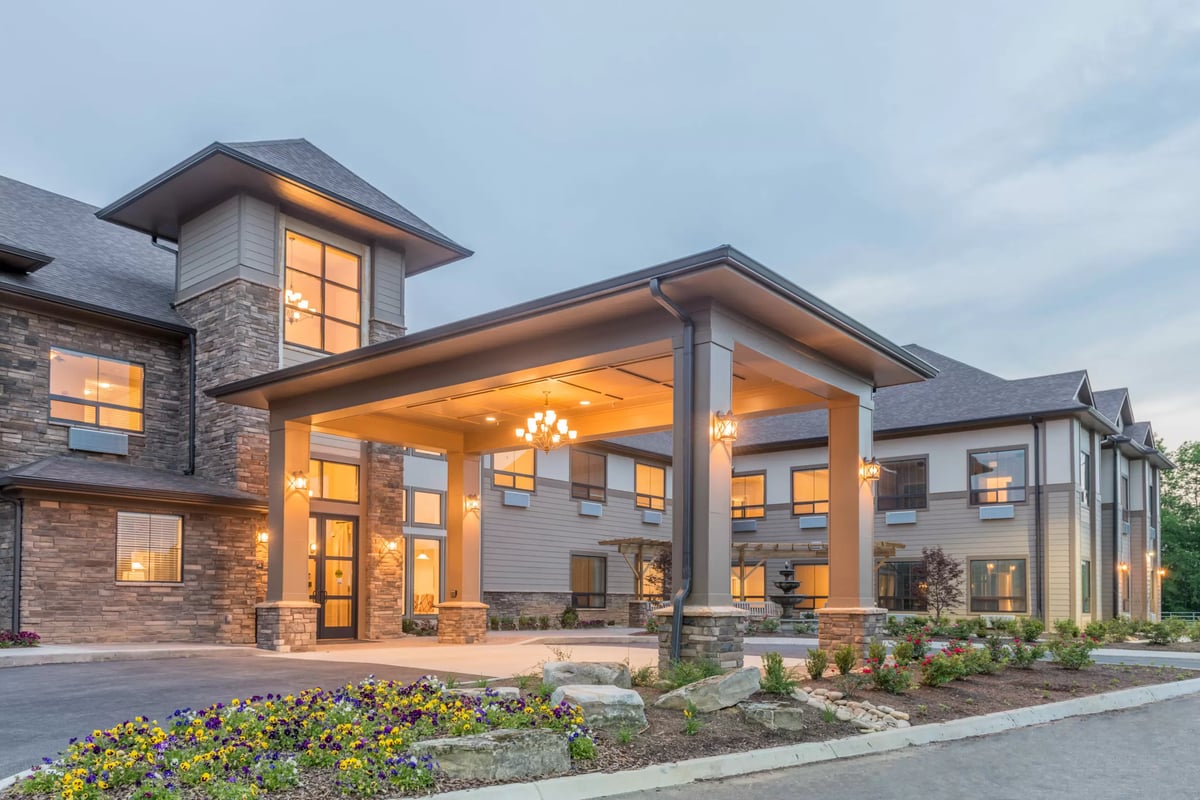
At The Pointe at Lifespring, private and friendship suites give residents personal space that feels familiar. Layouts are simple and easy to navigate. Community spaces are warm and welcoming, which helps residents feel comfortable joining daily activities.
The secure memory care neighborhood provides safety without limiting engagement. Residents can explore inviting courtyards, enjoy social areas, and connect with others in a supportive setting.
Community Spaces That Encourage Comfort
Common areas are designed to welcome conversation and easy participation. The inviting dining room, activity spaces, and outdoor courtyards all help residents stay connected.
Gentle Structure Throughout the Day
Each transition between meals, activities, and rest is paced carefully. This allows the experience to feel natural and never rushed.
How The Pointe at Lifespring Provides Memory Care With Purpose
The memory care program at The Pointe at Lifespring focuses on meaningful engagement. Using a strength-based approach, the team highlights residents' abilities and interests. This gives every person daily opportunities to succeed.
Chef-prepared meals, life enrichment activities, and small-group programs help build a consistent routine. Each day includes time for movement, conversation, and sensory engagement. These experiences support residents socially, emotionally, and cognitively.
The community also offers relationship-centered care. Team members learn each resident's history, preferences, and routines. This helps them support daily life in a way that feels personal and respectful.
Here are a few common questions families ask when exploring memory care with purpose.
Frequently Asked Questions
How Does Routine Reduce Stress for Seniors With Dementia?
Routine reduces stress by giving seniors a clear sense of what comes next. People with dementia often feel anxious when the day seems unpredictable.
A familiar sequence of meals, activities, and rest helps them stay grounded. This predictability lowers confusion and supports emotional comfort throughout the day.
What Makes a Strength-Based Approach Helpful in Memory Care?
A strength-based approach focuses on what residents can still do instead of what they have lost. This builds confidence and encourages participation.
Activities are chosen to match each person's abilities, interests, and history. This creates a sense of purpose and makes daily engagement more enjoyable for seniors.
How Can Families Know Their Loved One Is Adjusting Well?
Families may notice calmer moods, better engagement in activities, and more stable daily routines. Seniors often show increased comfort during meals, smoother transitions between events, and more willingness to join social moments. These signs suggest that structured care is helping them adapt positively.
Are Structured Activities Flexible Enough for Different Needs?
Yes. While the daily flow remains consistent, individual activities can be adapted. If a resident prefers quiet time instead of a group session, the team adjusts the plan.
The goal is to maintain routine while respecting personal preferences and energy levels.
How Does Environment Impact Memory Support?
A thoughtfully designed environment helps residents move with confidence. Simple layouts reduce confusion, warm décor adds comfort, and secure outdoor areas offer safe exploration. These elements help residents feel more settled and more able to participate in daily routines.
Memory Care With Purpose at The Pointe at Lifespring
Strong routines support memory and bring comfort to seniors living with dementia. At The Pointe at Lifespring, these structured rhythms help seniors experience calm, connection, and daily purpose. The community's all-inclusive six exclusive lifestyle programs create exceptional living experiences each day, offering dependable support and meaningful engagement.
To learn more or schedule a visit, reach out to our team through our Contact page.