.webp?width=1442&height=567&name=Pointe%20at%20Lifespring%20(1).webp)
-2.jpg?width=960&length=960&name=protein%20for%20seniors%20(1)-2.jpg)
Protein for seniors plays a critical role in maintaining strength, energy, and independence -- especially when added through snacks and small meals that fit naturally into daily routines, such as lentil soup with added beans and hummus with pita. With proper nutrition, older adults can better support muscle maintenance, appetite, and overall wellness.
Could the small snacks you eat every day be the key to staying stronger, steadier, and more energized as you age?
As we grow older, our eating habits often change. Portions get smaller, appetites shift, and full meals can feel overwhelming. That is why protein for seniors matters so much, especially when it shows up in simple snacks and light meals.
Protein supports muscle maintenance, helps prevent weakness, and plays a role in balance and recovery. Yet many older adults fall short of their daily protein intake without realizing it.
In this article, we explore how seniors in Knoxville, TN, can easily add protein into snacks and small meals, why it matters for senior nutrition, and how thoughtful choices can support long-term health and independence.
What Is the Best Source of Protein for Seniors?
The best protein sources for seniors are easy to chew, digest, and enjoy regularly. Variety is important because different foods offer different nutrients that support overall health.
Common high-quality protein options include:
- Eggs, which are soft, affordable, and versatile
- Greek yogurt and cottage cheese, which combine protein with calcium
- Fish like salmon or tuna, which provide protein and heart-healthy fats
- Lean poultry, such as chicken or turkey
- Beans, lentils, and hummus for plant-based options
- Nut butters, which add protein and calories in small portions
For senior nutrition, it helps to mix animal and plant proteins throughout the day. Smaller servings at regular intervals can be more effective than one large protein-heavy meal. This approach supports muscle maintenance without overwhelming the appetite.
What Are the Symptoms of Not Eating Enough Protein?
Not getting enough protein can affect the body in subtle but serious ways. Many seniors assume fatigue or weakness is just part of aging, but diet often plays a role.
Common symptoms include:
- Loss of muscle strength or size
- Feeling tired or low on energy
- Slower healing from illness or injury
- Increased risk of falls
- Hair thinning or brittle nails
- Weakened immune response
Low protein intake can also make it harder to stay active and independent. Over time, these effects may limit mobility and confidence. Paying attention to daily protein intake is one of the most practical aging diet tips for protecting long-term quality of life.
Why Protein Matters More in Smaller Meals
As appetites decrease with age, large meals can feel unappealing. Smaller meals and snacks become more common, which makes protein planning even more important.
Protein helps regulate blood sugar, keeps you feeling full longer, and supports muscle maintenance throughout the day. Instead of relying on one protein-heavy dinner, seniors benefit from spreading protein across breakfast, snacks, and lunch. Even ten to 15 grams of protein per snack can make a meaningful difference.
Easy High-Protein Snack Ideas for Seniors
Adding protein does not require complicated recipes. Simple combinations work best.
Snack ideas include:
- Greek yogurt with soft fruit or honey
- A hard-boiled egg with whole-grain toast
- Cottage cheese with peaches or berries
- Peanut butter on crackers or apple slices
- Hummus with soft pita or cooked vegetables
- A small smoothie with milk, yogurt, and protein powder
These options are easy to prepare, gentle on digestion, and flexible for different tastes. They help seniors meet daily protein intake goals without feeling like they are constantly eating large meals.
Small Meals That Support Strength and Energy
Light meals can still deliver meaningful nutrition when protein is prioritized.
Examples of protein-rich small meals include:
- Scrambled eggs with spinach and cheese
- Chicken salad served on soft bread or lettuce
- Lentil soup with added beans or yogurt
- Baked fish with mashed vegetables
- Bean and cheese quesadillas
These meals support muscle maintenance and energy while fitting comfortably into smaller portions. Thoughtful planning turns everyday eating into a tool for strength and stability.
How Assisted Living Supports Better Protein Habits
In assisted living settings, consistent nutrition support makes a real difference. Balanced meals, protein-rich snacks, and encouragement to eat regularly all contribute to better outcomes.
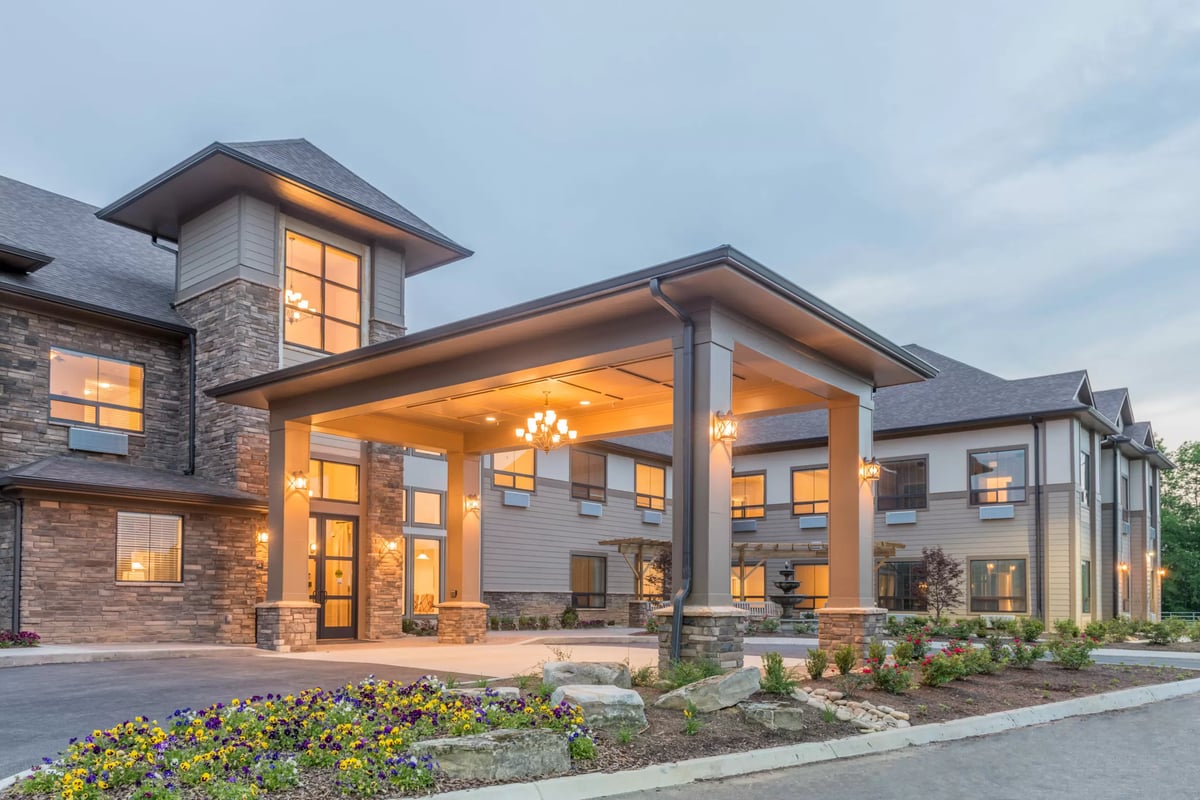
At The Pointe at Lifespring, we focus on senior nutrition that supports strength, dignity, and enjoyment. We understand that protein for seniors is not just about numbers. It is about feeling capable, confident, and cared for every day.
Frequently Asked Questions
Below are common questions we hear from residents and families, along with clear, practical guidance to support better daily choices.
How Much Protein Do Seniors Need Each Day?
Most seniors benefit from about 1.0 to 1.2 grams of protein per kilogram of body weight per day. Needs may increase with illness or low muscle mass.
Can Snacks Really Help with Daily Protein Intake?
Yes. Protein-rich snacks are one of the easiest ways to meet daily protein intake without relying on large meals.
Is Plant-Based Protein Enough for Seniors?
Plant-based proteins can be effective when eaten in variety and combined properly. Beans, lentils, tofu, and nut butters all support senior nutrition.
What if Chewing or Digestion Is Difficult?
Soft foods like yogurt, eggs, smoothies, and soups are excellent options. These make healthy meals more accessible and enjoyable.
Should Protein Be Eaten at Every Meal?
Spreading protein throughout the day is ideal. This supports muscle maintenance and steady energy levels better than eating most protein at one meal.
Nourishment, Strength, and Life in the Heart of Knoxville
Protein for seniors supports strength, balance, and independence, but where you live matters just as much as what you eat.
At The Pointe at Lifespring, we pair thoughtful nutrition with the advantages of living in Knoxville, TN. Our community benefits from a mild climate that encourages year-round movement, access to fresh regional foods, and proximity to world-class healthcare anchored by the University of Tennessee Medical Center.
Just west of the Great Smoky Mountains, Knoxville offers natural beauty, walkable green spaces, and a welcoming small-city feel that supports active aging. We take pride in providing healthy meals and personalized support that helps residents feel energized and confident every day.
If you're looking for assisted living that blends senior nu