.webp?width=1442&height=567&name=Pointe%20at%20Lifespring%20(1).webp)

Summary
Understanding the memory care vs. assisted living difference is essential when researching support options for your parent. Both communities provide personalized care, but they differ significantly in supervision levels, structure, and specialized programming based on cognitive needs.
- Assisted Living supports individuals who need help with daily tasks like bathing and medication management while maintaining decision-making abilities and social engagement
- Memory care provides specialized support for persons living with dementia, featuring secure environments, trained staff, structured routines, and features designed to reduce confusion
- Signs your parent may need memory care include frequent disorientation, wandering behaviors, difficulty following conversations, increased agitation, or forgetting medications and safety tasks
- Assisted Living offers greater flexibility in schedules and activities, while memory care follows consistent routines to reduce anxiety and provide emotional stability
- Consider your parent's cognitive support needs when choosing between options—Assisted Living works best for those managing daily life with minimal prompting, while memory care suits those needing greater structure and safety support
Watching a parent struggle with daily tasks or memory changes can be a difficult process. Many families begin researching the differences between memory care vs. assisted living when they realize their loved one may need more daily support. Understanding how these living options differ can help you choose an environment that fits your parent’s needs today, while also preparing for the future.
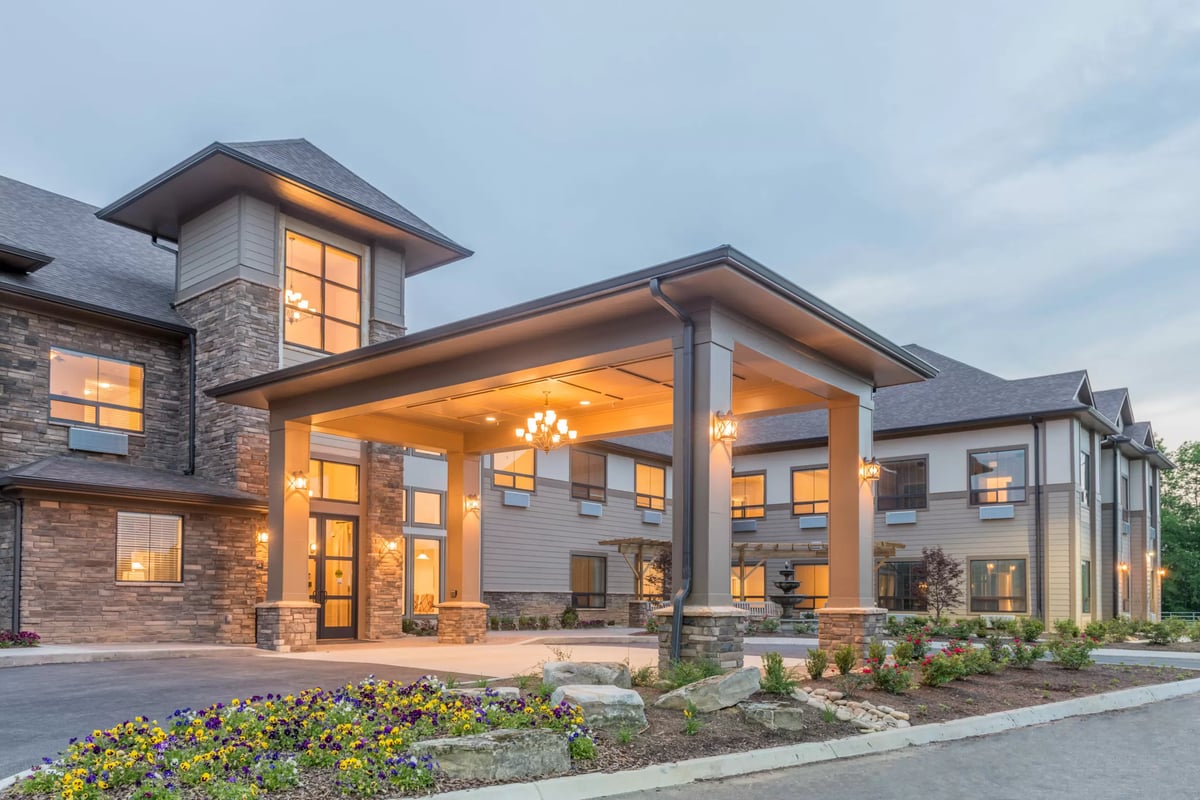
Both assisted living and memory care communities provide personalized support in a welcoming setting. However, the level of supervision, daily structure, and specialized programming can vary significantly. At The Pointe at Lifespring in Knoxville, TN, families can explore both Assisted Living and SHINE® Memory Care in one community, which can make future transitions feel more familiar and comfortable.
Understanding the Difference Between Memory Care and Assisted Living
Assisted living is geared towards older adults who may need help with their activities of daily living, such as dressing, bathing, medication management, or mobility support, while still maintaining decision-making abilities and participating independently in community life. Residents often enjoy flexible schedules, social opportunities, and personalized support that encourages dignity and connection.
Memory care provides a more specialized level of support for individuals living with Alzheimer’s disease or other forms of dementia. These neighborhoods are intentionally designed to reduce stress, provide structure, and support safety throughout the day.
Memory care communities often include:
- Secure environments which reduce concerns about wandering
- Team members specially trained in techniques for supporting individuals living with dementia
- Structured daily routines that provide familiarity and reassurance
- Environmental features that help reduce confusion and overstimulation
The Pointe at Lifespring offers SHINE® Memory Care, which focuses on personalized engagement, supportive dining experiences, life enrichment, and specialized training that helps residents living with dementia feel seen, valued, and connected.
Signs Your Parent May Need Memory Care
Knowing when to choose memory care over assisted living can be challenging. Many families notice gradual changes before realizing that a higher level of cognitive support may be needed.
Common signs may include:
- Frequent confusion or disorientation, even in familiar places
- Wandering behaviors or unsafe decision-making
- Difficulty following conversations or routines
- Increased agitation, anxiety, or behavioral changes
- Forgetting medications, meals, or household safety tasks
Families comparing assisted living or memory care for dementia should also consider how much supervision their loved one needs throughout the day. If safety concerns are becoming more common, memory care may provide the consistency and reassurance your parent needs while preserving dignity and quality of life.
The structured approach within SHINE® Memory Care at The Pointe at Lifespring includes personalized programs, sensory engagement, calming spaces, and meaningful routines that support residents at varying stages of cognitive change.
When Assisted Living May Be the Better Fit
Not every older adult experiencing challenges needs memory care. If your parent primarily needs support with physical tasks but continues to communicate clearly, follow routines, and engage socially, assisted living may offer the right balance of support and flexibility. Many residents transition to assisted living when managing a household becomes overwhelming, but they still want to maintain an engaging lifestyle and strong social connections.
Residents of The Pointe at Lifespring enjoy chef-prepared dining, wellness-focused programs, scheduled transportation, and inviting shared spaces that encourage friendships and daily engagement. Residents also benefit from convenient services like housekeeping and personalized support with daily living, allowing them to focus more on enjoying their routines and spending time with others.
This assisted living vs. memory care comparison often comes down to cognitive support needs. Assisted living works best for individuals who can navigate daily life with minimal prompting while benefiting from added convenience and personal assistance.
Comparing Daily Life and Structure
One of the biggest differences between memory care and assisted living involves the rhythm of daily life. Assisted living residents typically enjoy greater flexibility in choosing programs, meal times, and social events. The environment supports autonomy while still offering assistance when needed.
Memory care follows a more structured routine that helps reduce anxiety and confusion for residents living with dementia. Familiar schedules and specialized engagement can create comfort and emotional stability throughout the day.
Memory care programming may include:
- Reminiscence-based programs connected to personal history
- Sensory experiences that encourage engagement
- Guided daily routines that support familiarity and comfort
- Personalized social interaction and cognitive stimulation
Dining also differs between the two living options. Assisted living often features open, restaurant-style dining, while memory care settings may provide quieter dining rooms, adaptive support, and more consistent meal routines that help residents feel comfortable and confident during meals.
Planning for Future Care Needs
Some older adults need help with daily tasks while still maintaining strong communication skills, social engagement, and familiar routines. In these situations, Assisted Living may offer the right balance of support and flexibility.
For individuals living with Alzheimer’s disease or other forms of dementia, memory care provides a more structured environment with specialized support, consistent routines, and personalized engagement. These communities are designed to help reduce confusion, encourage comfort, and provide reassurance throughout the day.
At The Pointe at Lifespring, residents enjoy chef-prepared dining, wellness-focused programs, housekeeping, transportation services, and welcoming shared spaces that encourage connection and engagement while providing personalized assistance with daily living.
Schedule a tour at The Pointe at Lifespring to learn more about Assisted Living and SHINE® Memory Care in Knoxville, TN, and discover which living option may best support your loved one’s needs.