.webp?width=1442&height=567&name=Pointe%20at%20Lifespring%20(1).webp)

Memory Care in Knoxville, TN, supports comfort by creating safe routines, calm spaces, and supportive daily programs for older adults living with memory loss. These approaches help reduce stress and provide a steady rhythm that many people with dementia rely on each day.
Alzheimer's disease is the most common form of dementia and may contribute to about 60 to 70 percent of cases worldwide. This growing health challenge has increased the need for communities that focus on comfort, structure, and emotional support.
Knoxville, located in East Tennessee near the foothills of the Great Smoky Mountains, blends city convenience with scenic calm. This setting makes it a welcoming environment for older adults who benefit from peaceful surroundings and a slower daily pace.
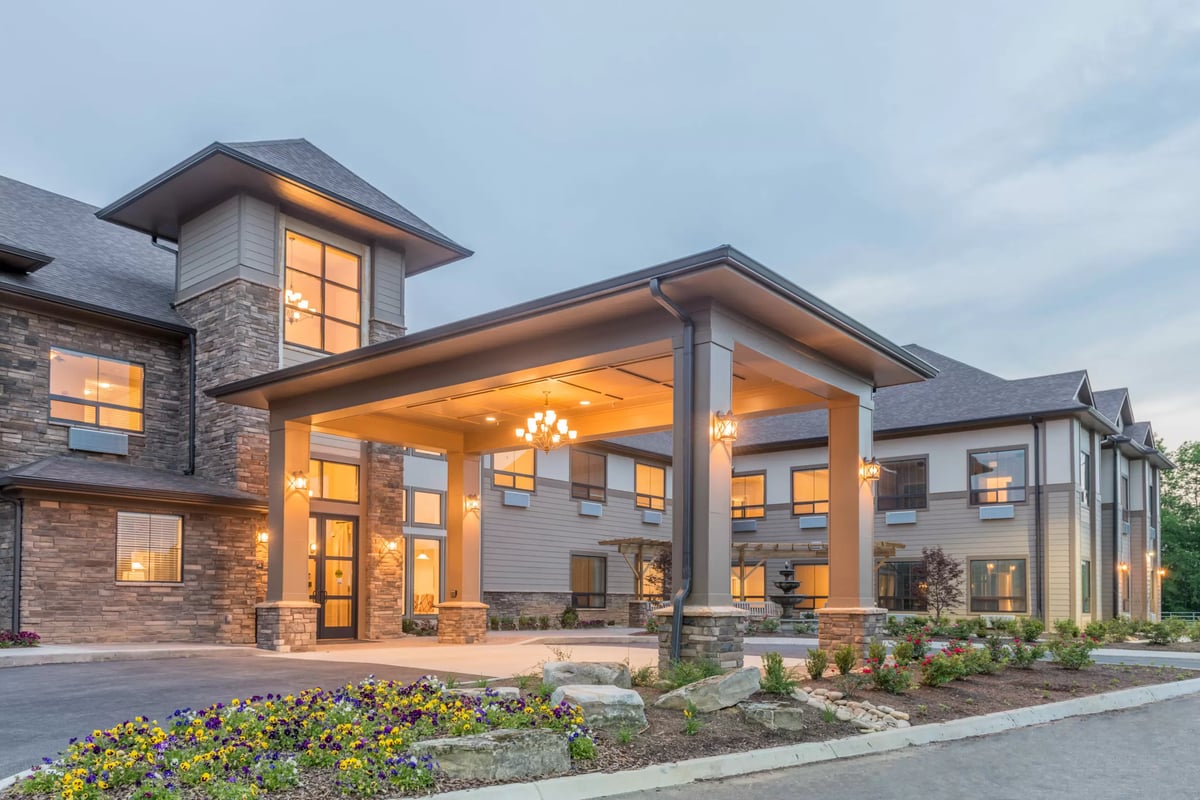
Communities such as The Pointe at Lifespring provide structured environments that help residents feel settled and secure. Understanding how these communities support comfort can help families make confident decisions about dementia care.
Why Comfort Matters in Memory Care in Knoxville, TN
Dementia can change how a person experiences their surroundings. Simple changes in noise, lighting, or routine may cause confusion or anxiety.
Memory care programs focus on reducing these stress points through thoughtful design and predictable daily schedules. Comfort often begins with consistency.
Residents living with dementia benefit from familiar patterns that repeat each day. Morning routines, regular meals, and calming evening activities create a sense of stability.
This approach is common in structured memory programs that seniors rely on across the country. Predictable daily rhythms help people stay oriented and feel more in control.
Communities also support emotional comfort through familiar surroundings. Personal photos, favorite music, and comfortable living spaces help residents feel more at home. These small touches play a large role in dementia support Knoxville, TN, families seek when exploring care options.
How Daily Routines Reduce Stress for Residents
Memory loss can make time feel unpredictable. A structured routine restores a sense of order that many residents depend on.
Morning often begins with simple activities such as stretching or conversation with staff and neighbors. Simple routines can provide powerful reassurance.
Shared meals also support comfort because they create familiar social moments. At The Pointe Memory Care in Knoxville, residents enjoy chef-prepared dining and friendly tableside service.
Activities throughout the day may include music sessions, art projects, or light exercise. These moments keep the mind engaged while avoiding overwhelming stimulation.
Routine is especially important for people needing Alzheimer's care in East Tennessee. Regular schedules can reduce agitation and help improve sleep patterns.
How Environment and Design Support Memory Care Comfort
The physical environment strongly affects how people with dementia feel each day. Memory care communities often include clear walking paths, natural light, and quiet gathering areas. Design can guide residents gently through their day.
Outdoor courtyards and garden areas are also helpful. Time in nature can improve mood and support relaxation.
Residents at communities like The Pointe at Lifespring enjoy access to shared spaces that support connection and comfort. You can explore these community amenities to see how thoughtful design shapes daily life.
Comfort also comes from private living spaces. Studio suites and companion suites allow residents to maintain personal routines while receiving support when needed. These environments help create a secure memory care community Knoxville families trust when searching for supportive living options.
The Role of Sensory and Emotional Support
Sensory experiences can play a powerful role in dementia care. Familiar smells, sounds, and textures can help spark recognition and comfort.
Research shows that therapies such as scent stimulation may help preserve memory and emotional connection. Learn more about how scent therapies support memory preservation. Small sensory cues can reconnect residents with meaningful memories.
Music therapy is another effective tool. Songs from earlier decades can trigger positive emotions and encourage participation in group activities.
Many communities also support holistic wellness strategies that consider emotional and mental health together. Research shows that holistic care approaches improve long-term outcomes by addressing many aspects of well-being.
Programs such as SHINE Memory Care are designed to support these goals through structured activities and personalized attention. Comfort grows when residents feel understood, supported, and connected to the world around them.
Frequently Asked Questions
What Makes Memory Care Different From Assisted Living?
Memory care communities are designed specifically for individuals living with dementia or Alzheimer's disease. The environment, activities, and staff training focus on cognitive challenges rather than general senior assistance.
Residents typically live in secure environments with predictable schedules. These programs also include activities that stimulate memory while avoiding overstimulation.
How Do Memory Care Programs Help Residents Stay Engaged?
Engagement is essential for maintaining quality of life. Activities in memory care programs are designed to match a resident's ability level while still offering meaningful participation.
Many programs include:
- Music
- Art
- Gardening
- Light movement exercises
These activities stimulate the brain while providing social interaction. Residents also benefit from group experiences such as birthday celebrations and community events.
Can the Environment Affect Dementia Symptoms?
Yes. Environmental design plays a large role in dementia support.
Calm lighting, clear walking paths, and organized spaces reduce confusion and frustration. Many communities also use visual cues to help residents find their way.
Natural spaces can also improve emotional well-being. Outdoor courtyards and garden areas offer quiet spaces where residents can relax and enjoy fresh air.
What Types of Activities Are Helpful for People With Dementia?
Activities that focus on familiarity and enjoyment are often the most effective. Music sessions, storytelling, and creative projects allow residents to express themselves.
Gentle exercise, such as chair yoga or stretching, helps maintain mobility and improve mood. These activities also encourage social interaction among residents.
Programs that reflect past hobbies can be especially meaningful. Gardening, cooking demonstrations, or craft projects often reconnect residents with lifelong interests.
A Comfortable and Supportive Community in Knoxville
Memory Care in Knoxville, TN, focuses on creating calm routines, supportive relationships, and environments that help residents feel safe each day.
The Pointe at Lifespring stands out through thoughtful living spaces, engaging lifestyle programs, and welcoming community areas such as the Spring House Grille and an outdoor courtyard that allow residents to relax and connect. If you would like to learn more about how this community supports comfort and meaningful daily living, contact us today to schedule a tour.